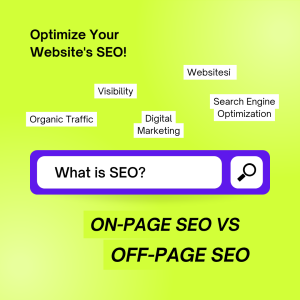
Search engine optimisation (SEO) is one of the most effective ways to increase your website’s visibility on Google. Understanding On-Page SEO vs Off-Page SEO is essential because both play different but equally important roles in helping your website rank higher.
Many beginners believe SEO is only about adding keywords to a page. In reality, Google evaluates hundreds of ranking factors, including website quality, user experience, backlinks, authority, and relevance.
Whether you own a local business, manage an online store, or run a blog, understanding these two SEO pillars will help you build a stronger online presence.
Table of Contents
- What is On-Page SEO?
- What is Off-Page SEO?
- Key Differences Between On-Page SEO and Off-Page SEO
- Why Both Matter
- Benefits
- How They Work Together
- Step-by-Step SEO Strategy
- Best Practices
- Common Mistakes
- Expert Tips
- Comparison Table
- Pros and Cons
- FAQs
- Conclusion
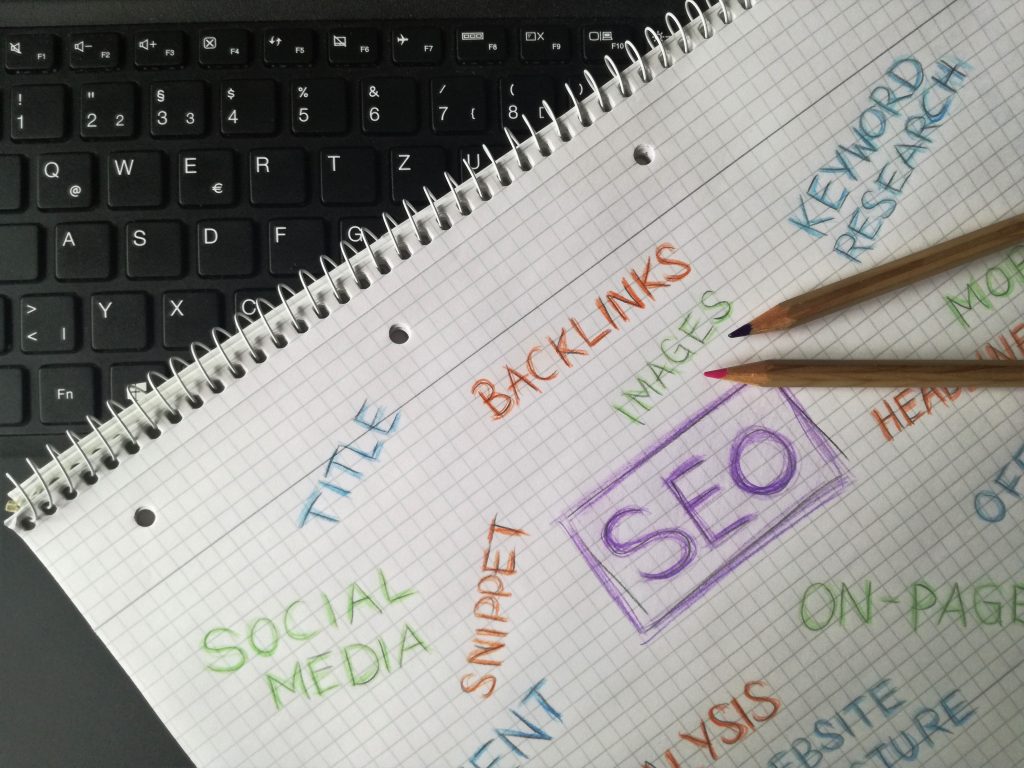
What is On-Page SEO?
On-Page SEO refers to everything you optimise inside your website to help search engines understand your content and improve user experience.
You have complete control over On-Page SEO because all changes happen directly on your website.
Common On-Page SEO elements include:
- Keyword optimisation
- SEO-friendly URLs
- Title tags
- Meta descriptions
- Heading tags (H1-H6)
- Internal linking
- Image optimisation
- Mobile responsiveness
- Page speed
- Content quality
- Schema markup
For example, if your keyword is On-Page SEO vs Off-Page SEO, you should naturally include it in:
- Title
- URL
- Introduction
- Headings
- Image alt text
- Meta description
without overusing it.
What is Off-Page SEO?
Off-Page SEO includes all optimisation activities that happen outside your website to improve trust, authority, and reputation.
Google views backlinks as recommendations. The more high-quality websites that link to yours, the more trustworthy your site appears.
Common Off-Page SEO activities include:
- Link building
- Guest posting
- Brand mentions
- Digital PR
- Social media marketing
- Influencer outreach
- Local citations
- Online reviews
- Google Business Profile optimisation
For local businesses, Off-Page SEO also includes:
- Local SEO Services
- Google Maps SEO
- Google Business Profile Optimization
- Local Business SEO
These help businesses appear in local search results and Google Maps.
Key Differences Between On-Page SEO and Off-Page SEO
| Feature | On-Page SEO | Off-Page SEO |
|---|---|---|
| Location | Inside website | Outside website |
| Control | Full control | Limited control |
| Purpose | Improve relevance | Build authority |
| Main Focus | Content & technical optimisation | Backlinks & reputation |
| Examples | Keywords, headings, images | Guest posts, backlinks, reviews |
| Results | Better user experience | Higher domain authority |
Why Both Matter
Many website owners focus only on content or only on backlinks.
The truth is:
Without good On-Page SEO, backlinks won’t perform as well.
Without Off-Page SEO, even excellent content may struggle to rank.
Google wants websites that provide:
- Helpful content
- Fast loading speed
- Mobile-friendly design
- Strong authority
- Positive user experience
- Trustworthy reputation
This is why successful SEO strategies combine both approaches.
Benefits of On-Page SEO and Off-Page SEO
Benefits of On-Page SEO
- Better search visibility
- Higher click-through rate
- Improved user experience
- Faster website speed
- Lower bounce rate
- Better indexing
Benefits of Off-Page SEO
- Increased website authority
- Higher Google rankings
- More referral traffic
- Improved brand awareness
- Better trust signals
- Long-term SEO growth
How They Work Together
Imagine building a house.
On-Page SEO builds the house.
Off-Page SEO builds its reputation.
Even a beautiful house needs people to recommend it.
Similarly, backlinks and brand mentions tell Google your website deserves to rank.
The strongest SEO campaigns combine:
- High-quality content
- Technical optimisation
- Internal linking
- High-authority backlinks
- Local citations
- Positive customer reviews
Step-by-Step SEO Strategy
Step 1: Perform Keyword Research
Identify primary and secondary keywords.
Step 2: Create Helpful Content
Answer users’ questions in detail.
Step 3: Optimise Every Page
Include:
- H1
- Meta title
- Meta description
- Internal links
- Optimised images
Step 4: Improve Technical SEO
- Increase page speed
- Fix broken links
- Make the site mobile-friendly
- Use HTTPS
Step 5: Build Quality Backlinks
Focus on:
- Guest blogging
- Digital PR
- Local directories
- Resource pages
Step 6: Strengthen Local SEO
If you serve local customers:
- Optimise your Google Business Profile
- Collect customer reviews
- Use Local SEO Services
- Improve Google Maps SEO
- Build local citations
Best Practices
✔ Write original content
✔ Optimise images
✔ Use descriptive URLs
✔ Add internal links
✔ Earn quality backlinks
✔ Update old content regularly
✔ Improve Core Web Vitals
✔ Optimise for mobile users
✔ Add schema markup
✔ Focus on user intent

Common Mistakes
Avoid these SEO mistakes:
- Keyword stuffing
- Buying backlinks
- Duplicate content
- Slow website speed
- Poor internal linking
- Ignoring mobile optimisation
- Missing image alt text
- Thin content
- Low-quality backlinks
- Not updating old pages
Expert Tips
Experienced SEO professionals recommend:
- Publish helpful content consistently.
- Focus on search intent rather than keyword repetition.
- Build relationships with reputable websites to earn backlinks.
- Monitor performance using Google Search Console and Google Analytics.
- Keep improving pages based on user behaviour and ranking data.
SEO success comes from continuous optimisation rather than one-time changes.
Pros and Cons
| On-Page SEO | Off-Page SEO |
|---|---|
| Easy to control | Depends on external websites |
| Improves user experience | Builds authority |
| Faster implementation | Takes longer to see results |
| Low cost | Often requires outreach |
Frequently Asked Questions
1. Which is better: On-Page SEO or Off-Page SEO?
Both are equally important. On-Page SEO improves relevance, while Off-Page SEO builds authority.
2. Can I rank with only On-Page SEO?https://factflow.click/local-seo-services/
You may rank for low-competition keywords, but competitive keywords usually require Off-Page SEO.
3. How long does SEO take?
SEO results typically take 3–6 months, depending on competition and website quality.
4. What is the most important On-Page SEO factor?
High-quality, user-focused content is one of the most important factors.
5. Are backlinks still important?
Yes. High-quality backlinks remain a strong ranking signal.
6. What is Google Maps SEO?
It helps local businesses rank higher in Google Maps by optimising their Google Business Profile and local signals.
7. Is Local SEO different from traditional SEO?
Yes. Local SEO targets customers in a specific geographic area using location-based optimisation.
8. Does page speed affect SEO?
Yes. Faster websites generally provide a better user experience and can perform better in search results.
9. How often should I update content?
Review and refresh important pages every 6–12 months or when information becomes outdated.
10. Can small businesses compete with large brands?
Yes. By focusing on quality content, local optimisation, and earning relevant backlinks, small businesses can rank well for targeted searches.
Conclusion
Understanding the difference between On-Page SEO vs Off-Page SEO is essential for anyone looking to improve search engine rankings. On-Page SEO ensures your website is relevant, user-friendly, and technically sound, while Off-Page SEO builds trust, credibility, and authority through backlinks, reviews, and brand mentions.
The best SEO strategy combines both approaches. Create valuable content, optimise every page, strengthen your technical foundation, and invest in ethical link-building and local SEO efforts. Over time, this balanced strategy can drive sustainable organic traffic, increase visibility, and help your business grow.
Call to Action:
Want to improve your website’s rankings and attract more local customers? Explore our Local SEO Services to optimise your website, enhance your Google Business Profile, and build a long-term SEO strategy that delivers measurable results.