Opening Summary
A clear web development roadmap 2026 includes learning core programming languages, understanding front-end and back-end development, mastering frameworks, building real-world projects, and focusing on performance, security, and user experience. The modern roadmap prioritizes practical skills, scalability, and business-focused development, allowing beginners, freelancers, and startups to build professional websites and generate income opportunities.
Table of Contents
Why Web Development Still Matters in 2026
Web development remains one of the most valuable skills in the digital economy. Every business, from startups to large enterprises, depends on websites and web applications to attract customers, generate leads, and build brand presence.
In 2026, the demand is even higher because businesses are shifting toward digital-first strategies. E-commerce, SaaS platforms, and service-based websites are growing rapidly. This creates strong opportunities for freelancers, developers, and agencies to offer development services and generate consistent income.
For entrepreneurs and SMEs, investing in web development is no longer optional. A well-built website directly impacts conversions, trust, and long-term growth. This makes understanding the roadmap not just a technical decision but a business strategy.
Step 1: Start with the Fundamentals (HTML, CSS, JavaScript)
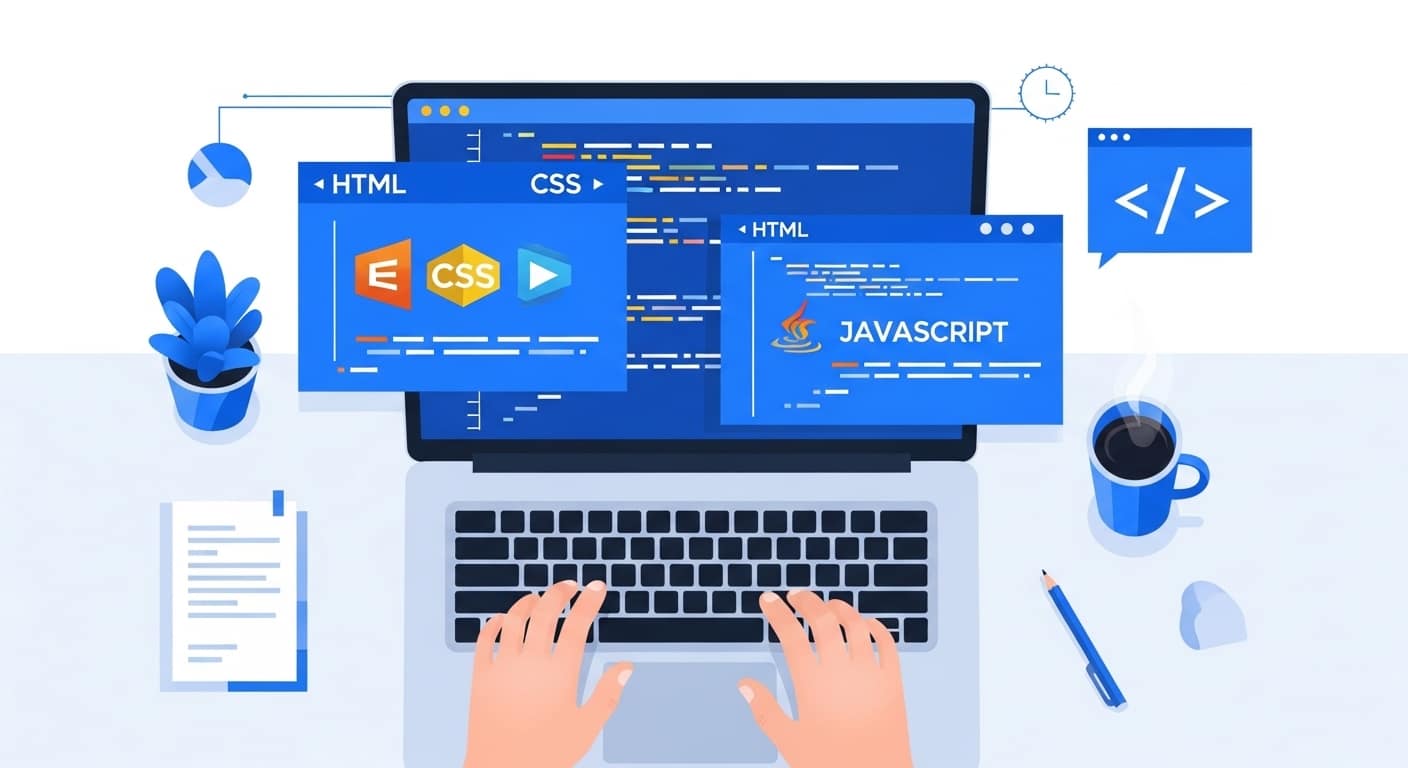
Every successful developer begins with the basics. HTML, CSS, and JavaScript are the foundation of all websites.
- HTML structures the content
- CSS controls design and layout
- JavaScript adds interactivity
These three technologies are essential before moving to advanced tools. Beginners should focus on writing clean code, understanding layouts, and building simple pages.
Skill Breakdown Table
| Skill | Purpose | Difficulty |
| HTML | Structure | Easy |
| CSS | Styling | Medium |
| JavaScript | Logic | Medium |
Mastering these basics ensures a strong foundation for future growth.
Step 2: Learn Responsive Design and Mobile Optimization
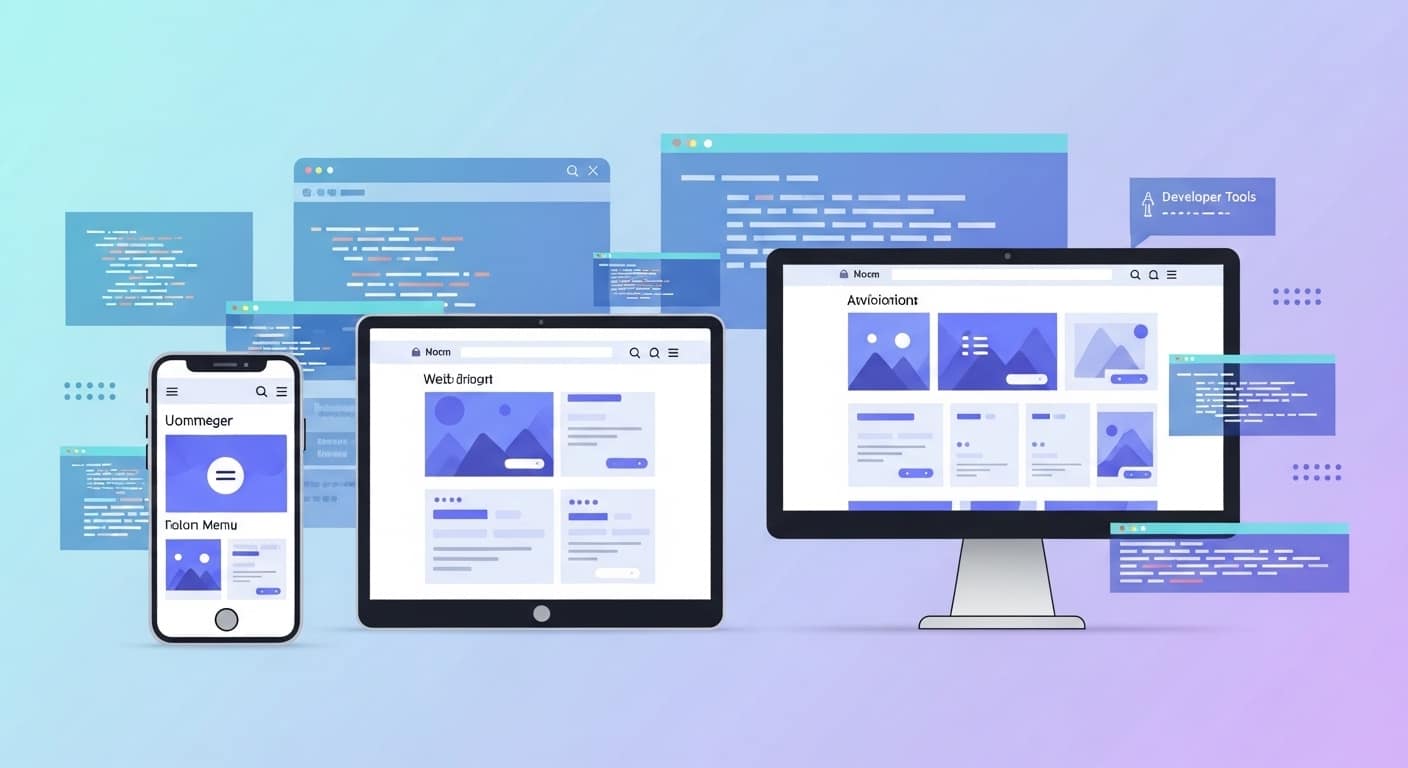
Modern users access websites mostly through mobile devices. A developer must know how to create responsive designs that work across all screen sizes.
This includes:
- Flexible layouts
- Media queries
- Mobile-first design
A responsive website improves user experience and increases engagement. Businesses prefer developers who understand mobile optimization because it directly affects conversions and SEO performance.
Step 3: Understand Version Control and Workflow
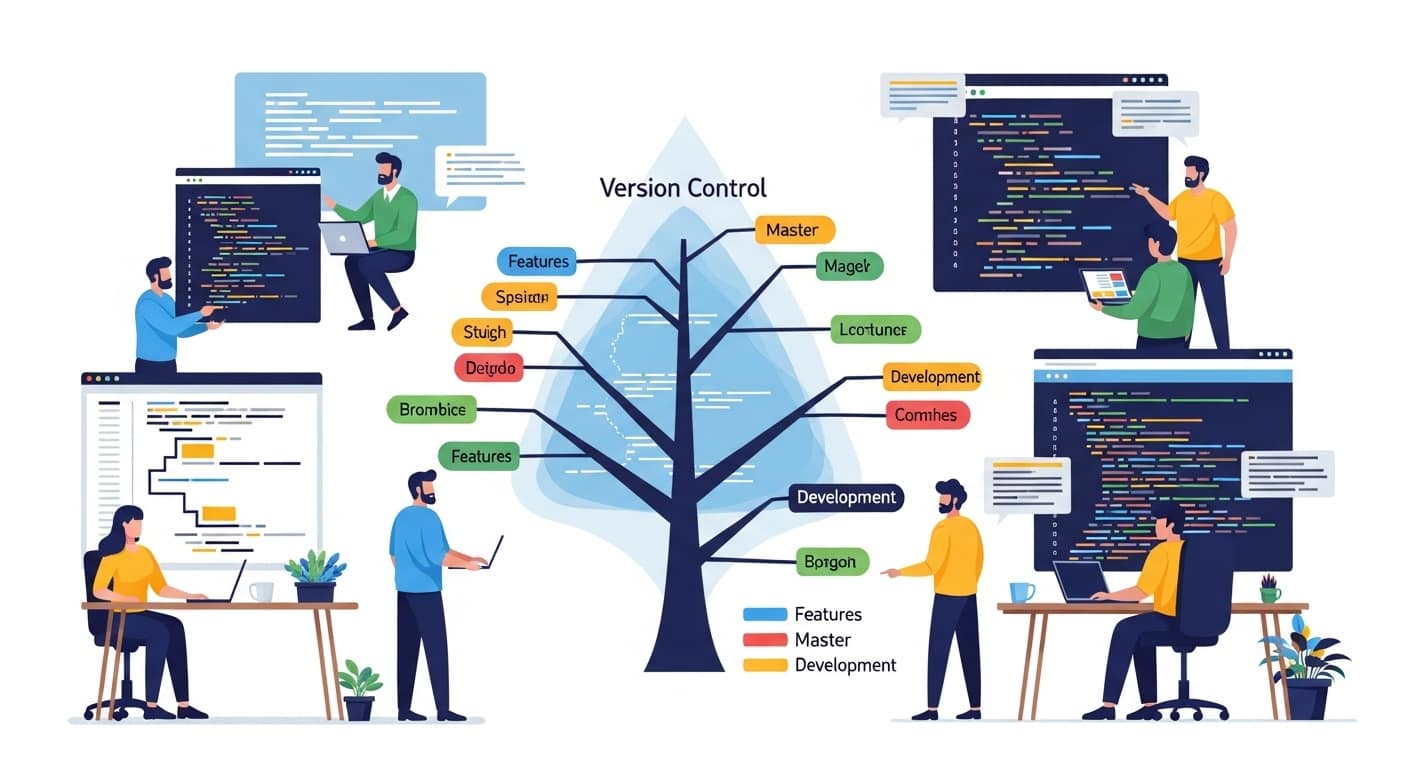
Version control helps developers manage code efficiently. It allows tracking changes, collaborating with teams, and avoiding errors.
Basic workflow includes:
- Saving versions of code
- Managing updates
- Working on different features
This skill is essential for professional development and teamwork. Even freelancers benefit from organized workflows when handling multiple client projects.
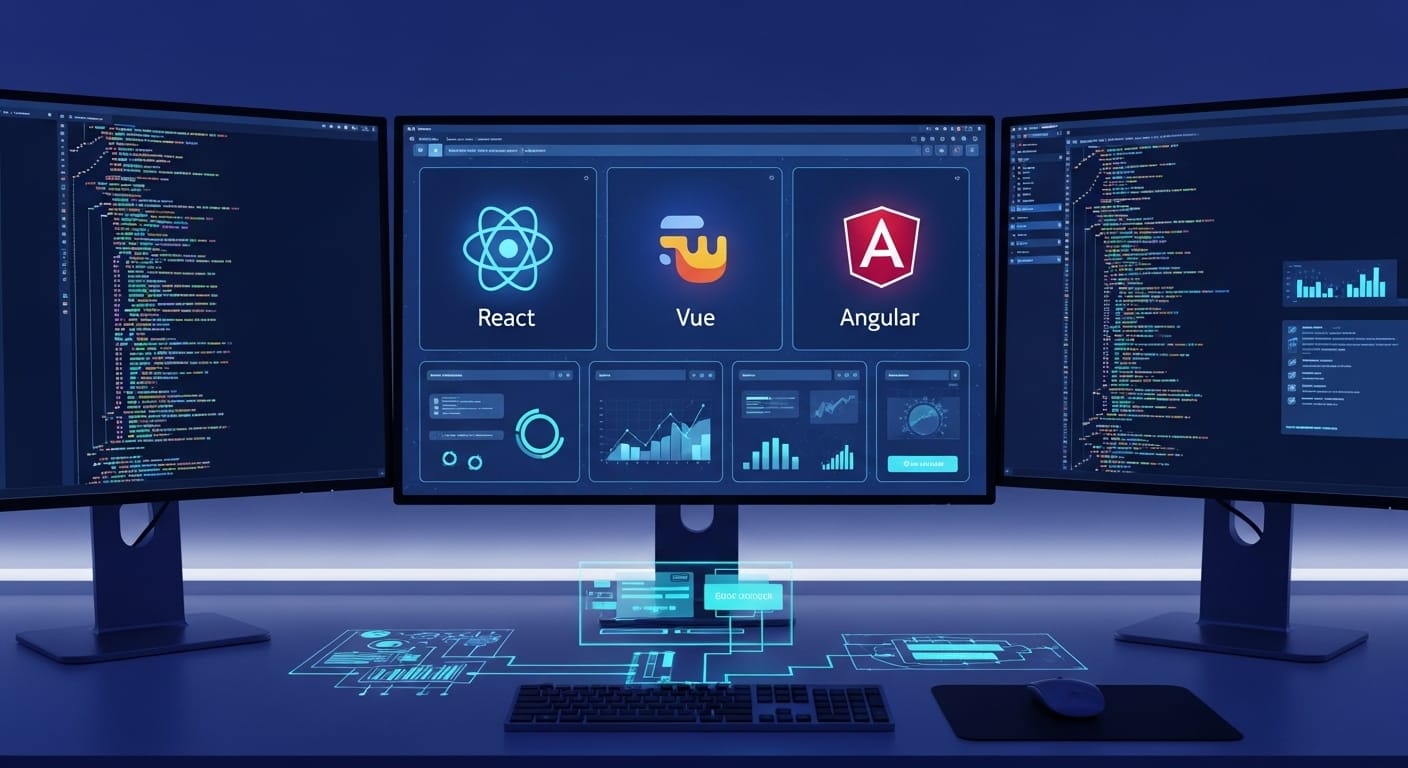
Step 4: Move to Front-End Frameworks
After learning basics, the next step in the web development roadmap 2026 is mastering front-end frameworks.
Frameworks help build faster, scalable, and interactive user interfaces.
Front-End Comparison Table
| Framework | Use Case | Learning Curve |
| React | Dynamic apps | Medium |
| Vue | Simple apps | Easy |
| Angular | Large apps | Hard |
Choosing the right framework depends on project requirements and career goals.
Step 5: Learn Back-End Development
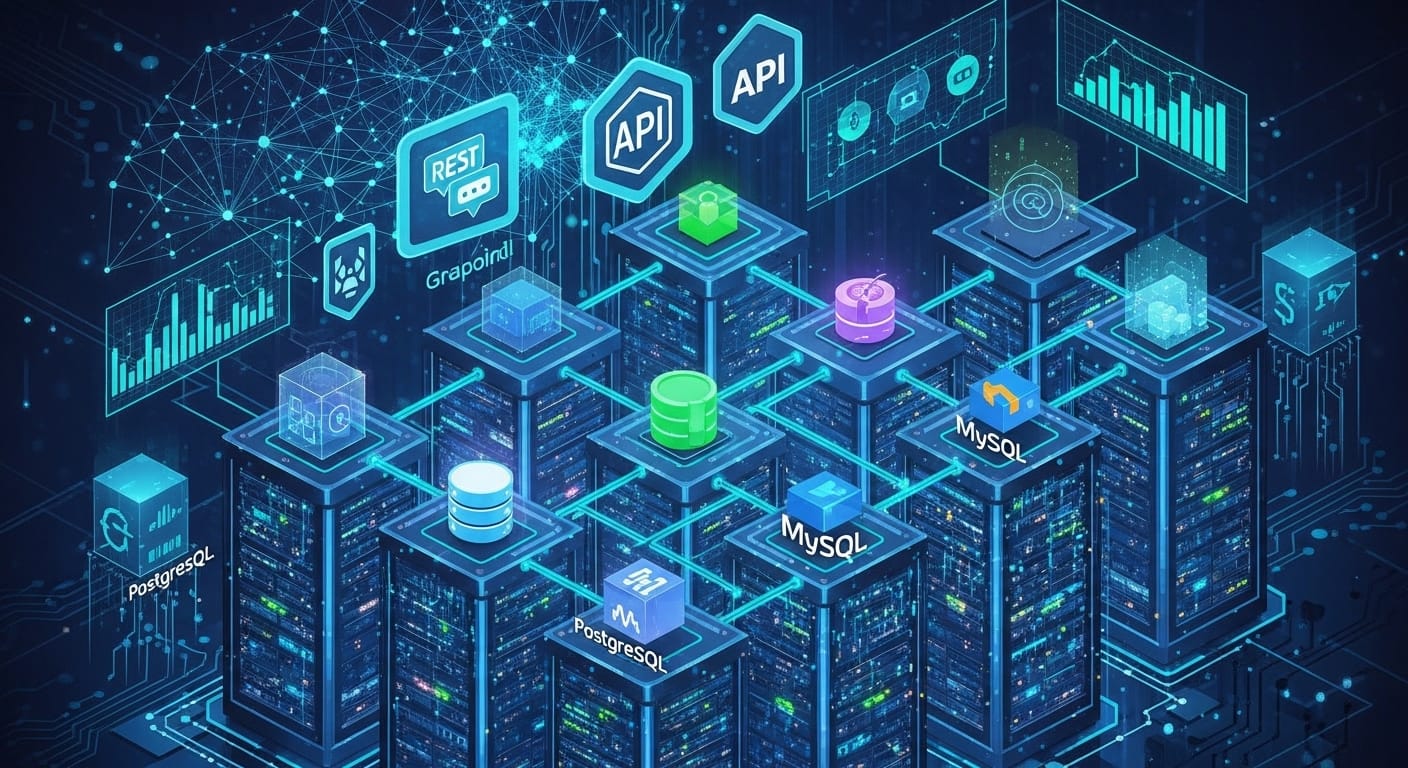
Front-end handles what users see, while back-end manages data, servers, and logic.
Key back-end skills:
- Server-side programming
- Database management
- API development
Popular back-end options include JavaScript-based environments, Python, and PHP. Developers who understand both front-end and back-end are highly valuable because they can build complete applications.
Step 6: Work with Databases and APIs
Databases store information such as user data, products, and content. APIs allow communication between systems.
Common database types:
| Type | Example Use |
| SQL | Structured data |
| NoSQL | Flexible data |
Learning how to connect databases with applications is essential for building dynamic websites like e-commerce platforms and dashboards.
Step 7: Build Real Projects for Experience
Theory alone is not enough. Practical experience is critical.
Start with:
- Personal portfolio website
- Blog platform
- E-commerce store
Real projects help:
- Improve coding skills
- Build confidence
- Attract clients
Freelancers often get their first clients through portfolio projects.
Step 8: Learn Deployment and Hosting
A website is not complete until it is live.
Deployment includes:
- Hosting setup
- Domain connection
- Performance optimization
Hosting Cost Breakdown
| Hosting Type | Price Range |
| Shared Hosting | $2–$10/month |
| VPS Hosting | $10–$50/month |
| Cloud Hosting | $50+/month |
Understanding hosting helps developers deliver complete solutions to clients.
Step 9: Focus on Website Performance and Speed
Website speed is a major factor in user experience and rankings.
Optimization includes:
- Image compression
- Code minimization
- Fast hosting
A slow website can reduce conversions and increase bounce rate. Businesses prioritize developers who can build fast and efficient websites.
Step 10: Learn Security Best Practices
Security is essential in modern web development. Websites must protect user data and prevent attacks.
Key practices:
- HTTPS encryption
- Secure authentication
- Regular updates
Ignoring security can damage business reputation and cause financial loss. This makes it a critical part of the roadmap.
Step 11: Understand Business and Client Needs
Technical skills alone are not enough. Developers must understand business goals.
For example:
- A business website focuses on leads
- An e-commerce store focuses on sales
- A blog focuses on traffic
Understanding these goals helps deliver better results and increases client satisfaction.
Step 12: Monetization and Service Pricing
Web development is not just a skill; it is a business opportunity.
Web Development Pricing Table
| Service | Price Range |
| Basic Website | $200 – $500 |
| Business Website | $500 – $1500 |
| E-commerce Website | $1000 – $5000+ |
Budget-friendly packages are available for startups and SMEs. Offering value-based pricing and additional services like free SEO audit can attract more clients.
Real-World Use Cases
- Freelancers building websites for local businesses
- Startups launching SaaS platforms
- Bloggers creating content websites
- Agencies offering full-service digital solutions
Each use case requires a slightly different approach, but the core roadmap remains the same.
Common Myths vs Facts
| Myth | Reality |
| Web development is too hard | It becomes easier with practice |
| Only coding matters | Business understanding is equally important |
| You need a degree | Skills matter more than degrees |
| It takes years to earn | Freelancers can earn within months |
Pro Tips for Faster Growth
- Focus on one stack instead of learning everything
- Build projects regularly
- Learn from real-world problems
- Stay consistent and patient
- Offer value, not just code
Decision Guide: Front-End vs Full-Stack
| Path | Best For | Income Potential |
| Front-End | Designers | Medium |
| Back-End | Logical thinkers | High |
| Full-Stack | Freelancers | Very High |
Choosing the right path depends on your interest and career goals.
Conclusion
The web development roadmap 2026 is clear and practical. Start with fundamentals, build real projects, and gradually move toward advanced skills. Focus on performance, security, and user experience while understanding business needs. This combination creates strong opportunities for freelancers, startups, and entrepreneurs. With the right approach and consistency, web development can become a reliable and scalable career path.
Related Posts:
- How AI Is Changing Jobs: The Truth About the Future of Work (2026)
- Best ChatGPT Alternatives in 2026 Which AI Chatbot Is Right for You?
- AI in the Workplace 2026: The Ultimate Guide to Generative AI Tools, Business Adoption & the Future of Work
- Future of Artificial Intelligence 2026: Revolutionary Agentic AI, Generative AI, and Technology Advancements
- Top Latest Technology Trends 2026 You Must Know
- best-tech-gadgets-2026
- How AI is Changing Jobs: The Future of Work in the Age of Artificial Intelligence
- WordPress vs Shopify: Which Platform is Better for Your Online Business?