
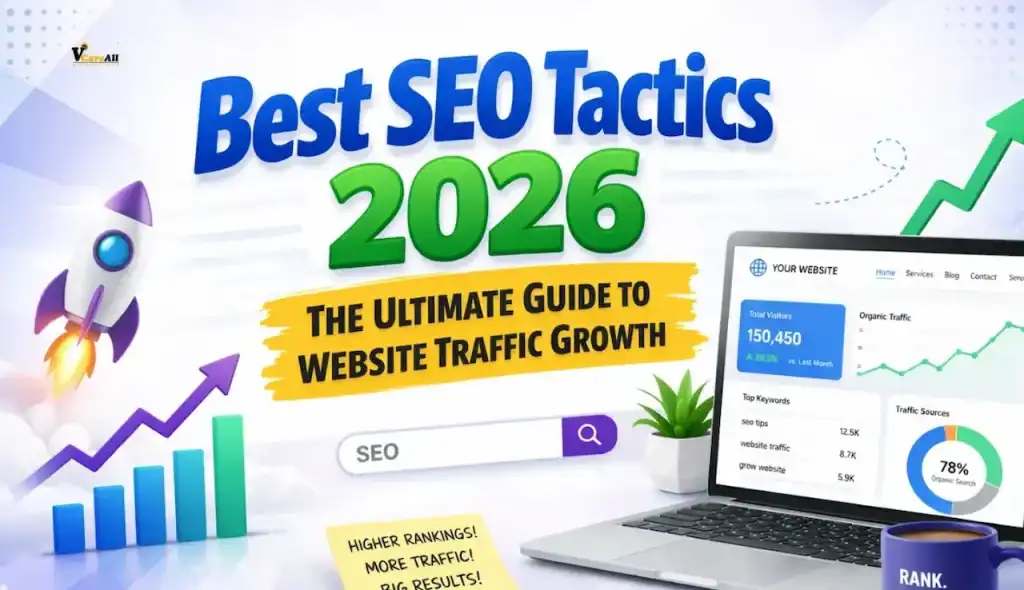
Increasing website traffic in 2026 is not about quick tricks or shortcuts. Search engines like Google have become smarter, and they now focus more on quality, relevance, and user experience. If you want long-term and stable traffic, you need a proper strategy that combines SEO, content, technical improvements, and smart promotion.
This guide will help you understand everything in a simple way so you can grow your website step by step.
Understanding Website Traffic
Website traffic simply means the number of people visiting your website. These visitors can come from different sources such as search engines, social media, or other websites.
The main types of traffic include:
- Organic traffic (from Google or Bing)
- Social media traffic (from platforms like Facebook and Instagram)
- Direct traffic (when users type your website link)
- Referral traffic (when other websites send visitors to you)
Among all these, organic traffic is the most valuable because it brings consistent and free visitors over time.
Strong SEO Strategy is the Foundation
Search Engine Optimization (SEO) is the most important factor for increasing website traffic. Without SEO, even good content may not rank.
SEO starts with keyword research. You need to understand what people are searching for and then create content around those topics. Once you find keywords, use them naturally in your title, headings, and content.
Your content should always be structured and easy to read. Google prefers pages that are well-organized and helpful.
Website speed, mobile responsiveness, and clean structure also play a big role in rankings. If your site is slow or difficult to use, visitors will leave quickly, which reduces your traffic.
Create High-Quality and Helpful Content
Content is the heart of every website. If your content is not useful, users will not stay on your site.
Good content should solve real problems. Instead of writing random articles, focus on topics that people are actually searching for.
Always write in simple English so everyone can understand your content easily. Avoid unnecessary complicated words.
Updating old articles is also very important. Fresh content ranks better and brings more traffic.
Use Social Media for Fast Growth
Social media platforms can bring quick traffic to your website if used correctly. Platforms like Facebook, Instagram, LinkedIn, and Pinterest are very effective for promotion.
Whenever you publish a new article, share it on all your social media accounts. Use attractive captions and clear messaging to encourage clicks.
Engaging with users through comments and discussions helps build trust and brings repeat visitors to your website.
Improve Technical SEO for Better Performance
Technical SEO ensures your website is easy for search engines to understand and crawl.
A fast-loading website improves both ranking and user experience. Most users leave a website if it takes too long to load.
Your website should also be mobile-friendly because most traffic now comes from mobile devices.
Other important improvements include:
- Fixing broken links
- Optimizing images
- Using clean URLs
- Adding a sitemap
Internal Linking Strategy (Very Important)
Internal linking helps search engines understand your website structure and improves user navigation. It also increases the time users spend on your website.
You should always connect your articles with relevant pages using natural anchor text.
For example:
- Learn more about our platform on the About FactFlow page
- Explore more helpful articles in our FactFlow Blogs section
- Contact us through the FactFlow Contact Page
- Read important policies in our Privacy Policy Page
- Find answers in our FAQ Section
These internal links help both SEO and user experience.
Consistency is the Key to Success
One of the biggest mistakes beginners make is inconsistency. They publish a few posts and then stop.
If you want real traffic growth, you must stay consistent.
A good strategy is to:
- Publish at least 2–3 posts per week
- Update old posts regularly
- Track what content performs best
Consistency builds authority over time and helps your website grow naturally.
Track and Improve Your Performance
If you want to grow traffic, you need to understand your data.
Use tools like Google Analytics and Google Search Console to track:
- Which pages get the most traffic
- Where visitors are coming from
- Which keywords are performing well
Once you understand this data, you can improve weak pages and focus on strong topics.
Extra Methods to Increase Traffic
Apart from SEO and content, there are some additional methods that can help you grow faster.
Email marketing is one of the best ways to bring repeat visitors. Guest posting on other websites can also help you reach new audiences.
You should also focus on trending topics because they attract more searches in a short time.
Frequently Asked Questions (FAQs)
1. How long does it take to increase website traffic?
It usually takes 3 to 6 months to see noticeable results if you are consistent with SEO and content creation.
2. Can I get traffic without SEO?
Yes, but it will be limited. Social media can bring traffic, but SEO is necessary for long-term and stable growth.
3. How many articles should I publish per week?
Publishing 2–3 high-quality articles per week is a good starting point for steady growth.
4. Is social media important for website traffic?
Yes, social media helps bring quick visitors and also increases brand awareness, but it should be combined with SEO.
5. Why is my website not getting traffic?
Common reasons include poor SEO, low-quality content, slow website speed, or lack of promotion.
6. What is the most important factor for traffic growth?
High-quality content combined with strong SEO is the most important factor for increasing traffic.
Final Thoughts
Increasing website traffic in 2026 requires patience, consistency, and the right strategy. There is no shortcut, but with proper SEO, valuable content, and regular effort, your website can grow steadily.
Focus on creating helpful content, improving user experience, and building strong internal linking. Over time, your traffic will increase naturally and consistently.






One Response
https://shorturl.fm/lXIA7