
Starting an online store has never been more accessible. Whether you want to sell handmade crafts, clothing, digital products, or anything in between, the internet gives you a platform to reach customers all over the world. But knowing where to begin can feel overwhelming, especially if you are doing it for the first time.
This guide is written in simple, easy-to-understand language. It will walk you through every important step so you can start your ecommerce business with confidence. From choosing what to sell to setting up your website and making your first sale, everything is covered here.
By the end of this article, you will have a clear picture of how to start an online store and what it takes to grow it into something profitable.
Table of Contents
Step 1: Choose the Right Product to Sell
The foundation of any successful online store is the product. Before you think about websites, designs, or marketing, you need to decide what you are going to sell. This decision will shape every other choice you make.
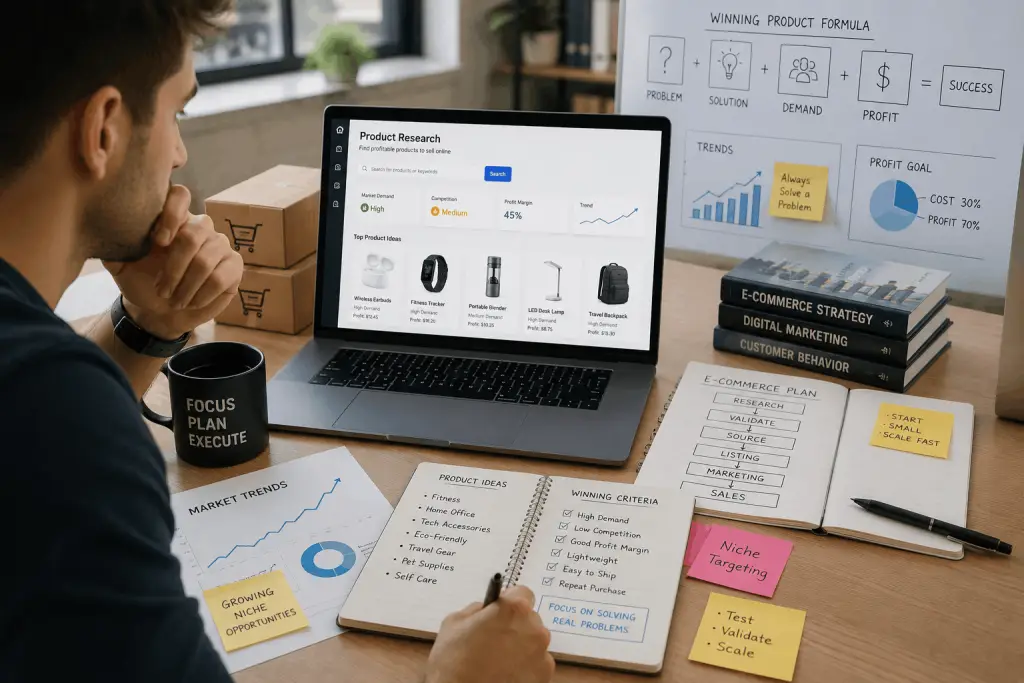
Start by thinking about your interests and skills. What do you know well? What problems can you solve for people? The best products often come from a place of genuine knowledge or passion. At the same time, you need to make sure there is demand for what you plan to sell.
There are generally three types of products you can sell online:
- Physical products: Items that are manufactured, stored, and shipped to the customer.
- Digital products: Ebooks, courses, templates, software, or any downloadable item.
- Services: Freelance work, coaching, consulting, or any skill offered for payment.
Once you have a few ideas, use free tools like Google Trends or Amazon Best Sellers to see what people are actually searching for and buying. Look for products with steady demand but not too much competition. Finding that balance is key when you want to start selling online successfully.
Step 2: Pick a Business Model That Works for You
Your business model is basically how your store will make money and how products will reach your customers. There are several popular models used in ecommerce today, and each one has its own advantages.
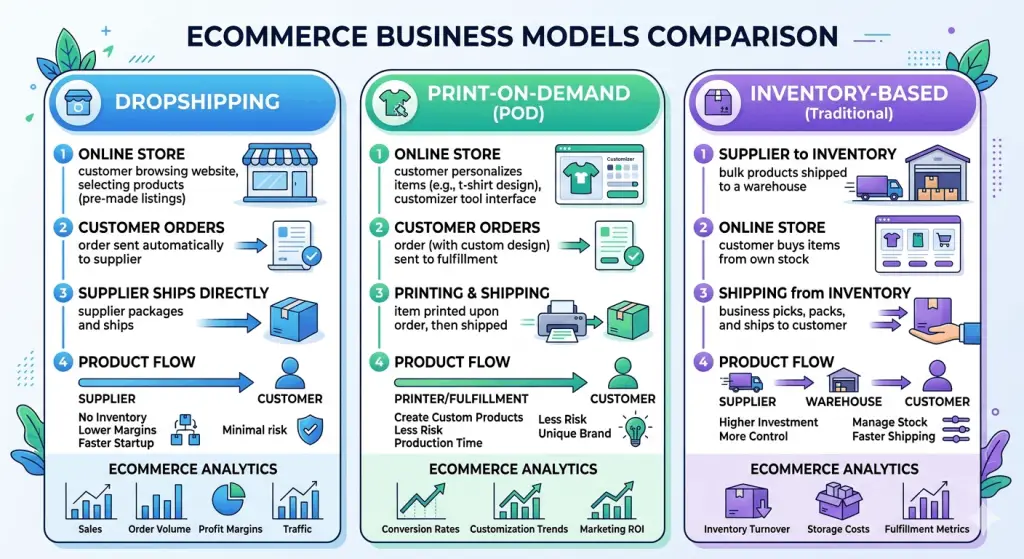
Dropshipping is one of the most beginner-friendly models. With dropshipping, you do not hold any inventory. When someone orders from your store, the supplier ships the product directly to the customer. This means low startup costs and no need for a storage space. However, profit margins tend to be smaller.
Print-on-demand works well for creative people who want to sell custom designs on products like t-shirts, mugs, or phone cases. You create the design, a third party prints and ships it, and you keep a portion of the profit.
Selling your own products is a model where you make or source items yourself and manage the inventory. This gives you more control over quality and pricing, but it also requires more investment upfront.
Choose the model that fits your budget, time, and goals. If you are just starting out and have limited funds, dropshipping or print-on-demand are smart ways to launch an online shop without taking big financial risks.
Step 3: Choose an Ecommerce Platform to Build Your Store
Once you know what you are selling and how, the next step is choosing where to build your online store. Your ecommerce platform is the software that powers your website and lets you list products, accept payments, and manage orders.
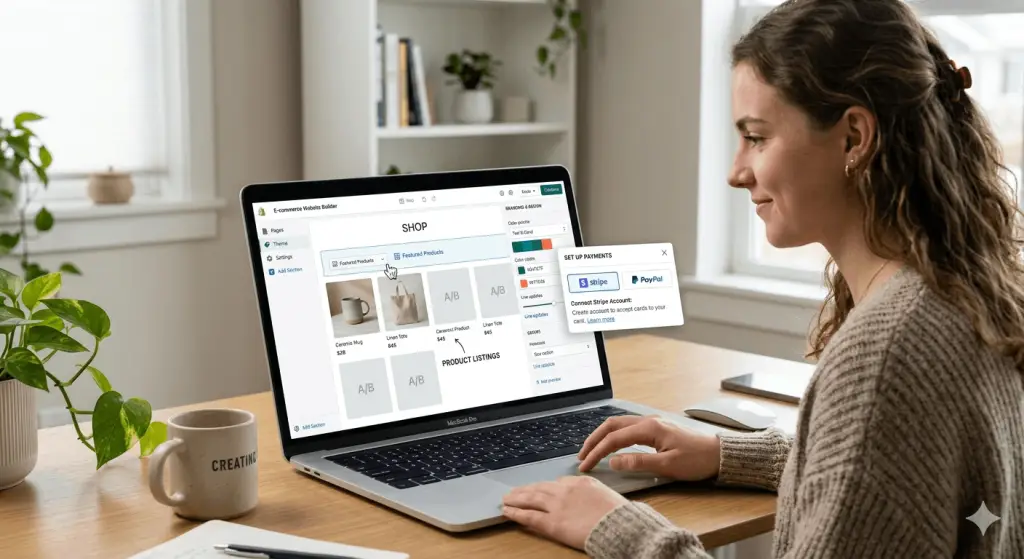
Some of the most popular platforms used around the world include:
- Shopify: Very beginner-friendly, with beautiful templates and built-in payment tools. Great for most types of stores.
Check How to Make Shopify Store: how-to-make-a-website-on-shopify
- WooCommerce: A free plugin for WordPress. Best if you already have a WordPress site or want more customization.
- Wix eCommerce: Very easy to use with a drag-and-drop builder. Good for small stores just starting out.
- BigCommerce: A more advanced platform suited for stores planning to scale quickly.
When choosing a platform, think about ease of use, monthly cost, payment options, and how well it supports your business model. You can also check if the platform supports selling in your country and whether it integrates with the tools you already use.
Most platforms offer free trials, so test a couple before committing. A good platform makes it easy to create an online store that looks professional without needing any technical skills.
Shopify Store Link : Click Here
Step 4: Set Up Your Store, Branding, and Product Listings
Now comes the part where your store starts to take shape. Setting up your store involves several important tasks: choosing a domain name, designing your website, and writing your product listings.
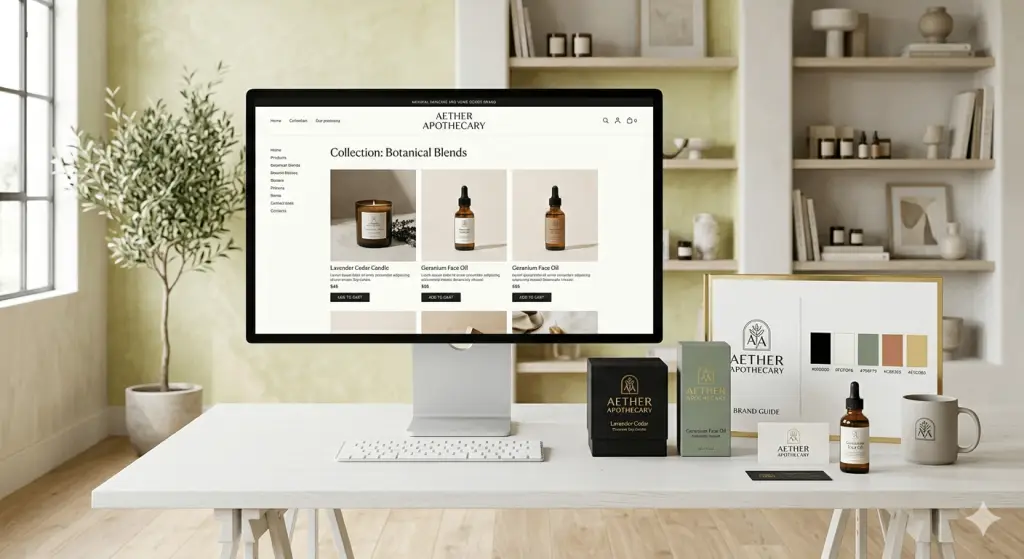
Your domain name is your web address. Choose something short, easy to spell, and related to your brand or products. Avoid using numbers or hyphens if possible. Once you have your domain, select a clean and professional theme or template on your platform of choice.
Branding is more than just a logo. It includes your color scheme, the tone of your writing, the fonts you use, and how your store makes people feel. Strong branding builds trust, and trust leads to sales. Even as a small shop, invest time in making your store look consistent and professional.
Your product listings are also extremely important. Each product page should have:
- A clear and descriptive product title
- High-quality product photos from multiple angles
- A detailed description that explains what the product is, what it does, and who it is for
- The price, shipping time, and return policy
- Customer reviews if available
Well-written product descriptions not only inform the customer but also help your store rank on Google. Use your focused keywords naturally in the title and description without stuffing them in unnecessarily.
Step 5: Set Up Payment, Shipping, and Legal Requirements
Before you open your store to the public, you need to make sure customers can actually pay you, and that you can deliver what they order. This step often gets rushed, but it is one of the most critical parts of how to start an online store the right way.
For payments, set up a reliable gateway that accepts the methods your customers prefer. Popular options include PayPal, Stripe, and credit card payments through your platform. Make sure your checkout process is simple and secure. A complicated checkout is one of the top reasons people abandon their carts without completing a purchase.
For shipping, decide whether you will offer free shipping, flat-rate shipping, or calculated shipping based on location and weight. Research carriers in your area and find one that balances cost and speed. Clearly display your shipping times on every product page so customers know what to expect.
On the legal side, you will likely need to register your business, collect and pay sales tax (depending on your country and region), and have a privacy policy and terms of service on your website. These legal pages are not just formalities. They protect both you and your customers and build credibility.
Also set up a professional business email address. Customers and suppliers will take you more seriously when you communicate through a branded email rather than a personal Gmail account.
Step 6: Drive Traffic to Your Online Store
Building your store is only half the job. The other half is getting people to visit it. Without traffic, even the most beautiful online store will not make any sales. This is where marketing comes in.
Search engine optimization, or SEO, is one of the most valuable long-term strategies. By optimizing your product pages, blog posts, and website content with the right keywords, you can attract organic traffic from Google without paying for ads. This is free, but it takes time to see results.
Social media marketing is another powerful tool. Platforms like Instagram, Facebook, TikTok, and Pinterest are perfect for showcasing products visually. Post regularly, engage with your audience, and use relevant hashtags to increase your reach.
Paid advertising through Google Ads or Facebook Ads can bring fast results if you have a budget to invest. Start small, test different ads, and scale the ones that perform well.
Email marketing is often overlooked by beginners, but it is one of the highest-converting channels available. Collect email addresses from day one using a signup form or a discount offer, and send regular newsletters with product updates, promotions, and helpful content.
Combining multiple marketing channels will give you the best results. Do not rely on just one source of traffic. The more places your brand appears, the more opportunities you have to make sales and grow your ecommerce business.
Step 7: Analyze Your Results and Keep Growing
Once your store is live and generating traffic, your work is not done. Successful online store owners constantly review their data and look for ways to improve. This is what separates stores that grow from stores that stagnate.
Use Google Analytics or your platform’s built-in analytics to track key metrics. Look at how many people visit your store, which products they view most, where they drop off in the buying process, and which marketing channels bring the best results.
Pay close attention to your conversion rate. This is the percentage of visitors who actually make a purchase. If your conversion rate is low, it could mean your product descriptions need improvement, your prices are not competitive, or your checkout process is too complicated.
Customer feedback is also priceless. Read reviews, respond to messages promptly, and take complaints seriously. Happy customers come back and refer others. Unhappy customers can damage your reputation if not handled well.
As your store grows, look for opportunities to expand your product range, target new audiences, and automate repetitive tasks. Growth is a continuous process, and the most successful ecommerce businesses are the ones that never stop learning and adapting.
Lets Check the another Blog Related to It :how-to-sell-on-ebay-for-beginners-2026
Frequently Asked Questions (FAQs)
Q1. How much money do I need to start an online store?
The cost of starting an online store depends on the business model you choose and the platform you use. If you go with dropshipping or print-on-demand, you can start with as little as $30 to $100 per month, which covers your platform subscription and domain name. If you plan to buy and hold inventory, your startup costs will be higher. It is entirely possible to launch a small ecommerce business on a tight budget and reinvest profits as you grow. Many successful store owners started with very little money and built their business gradually over time.
Q2. Do I need any technical skills to start selling online?
No, you do not need to be a technical expert. Modern ecommerce platforms like Shopify and Wix are designed with beginners in mind. They offer drag-and-drop builders, ready-made templates, and simple dashboards that anyone can learn in a few hours. Basic computer skills and a willingness to learn are all you really need. There are also many free tutorials available online for every platform. If you ever get stuck, customer support is usually available through chat or email. Technical knowledge can be helpful as you grow, but it is not a requirement when you are just starting out.
Q3. How long does it take to make the first sale from an online store?
This depends on how actively you market your store and how much competition exists in your niche. Some store owners make their first sale within the first week by running paid ads or promoting through social media. Others may take several months if they rely entirely on organic SEO. On average, a new online store that is actively being promoted can expect to see its first few sales within the first one to three months. The key is to drive traffic consistently and keep improving your store based on customer behavior. Do not get discouraged if things start slowly persistence and learning from data will get you there.
Q4. Is it better to sell on my own website or on platforms like Amazon or Etsy?
Both options have their advantages. Selling on marketplaces like Amazon or Etsy gives you access to an existing audience, which means you can start getting traffic faster without building it from scratch. However, these platforms charge fees, have strict rules, and you have very little control over your customer relationships or branding. Having your own online store gives you complete control, better profit margins in the long run, and the ability to build a loyal customer base. Many experienced ecommerce sellers recommend starting on a marketplace to validate your product and then building your own store as a long-term brand.
Q5. What are the biggest mistakes beginners make when starting an online store?
Some of the most common mistakes include choosing a product without researching demand, spending too much on design without focusing on marketing, ignoring SEO from the beginning, and giving up too early when sales are slow. Many beginners also neglect customer service, which is one of the biggest factors in building a loyal audience. Another frequent mistake is trying to sell too many different products at once instead of focusing on a specific niche. Starting focused, testing everything, learning from your data, and staying consistent are the habits that separate those who succeed from those who quit.
Conclusion
Learning how to start an online store is one of the most valuable skills you can develop in today’s digital economy. It opens the door to financial independence, creative freedom, and the ability to reach customers worldwide. While the process involves several important steps, none of them are beyond the reach of a motivated beginner.
Start with a product that solves a real problem, choose a business model that fits your resources, and build your store on a reliable ecommerce platform. Make your listings clear and professional, set up secure payments and smooth shipping, and then focus seriously on marketing to drive traffic to your store.
As your ecommerce business grows, keep analyzing your results, listening to your customers, and improving your strategy. The online selling world moves fast, but those who stay consistent and keep learning will always find new opportunities.
Whether you want to earn a little extra income on the side or build a full-time business, starting an online store is a journey worth taking. The tools are available, the market is ready, and the only thing standing between you and your first sale is the decision to begin.






One Response